DeFi in 2026: Decentralized Finance Goes Mainstream With Regulatory Clarity
"DeFi 2.0 emerges as regulatory clarity and institutional investment propel decentralized finance towards mainstream adoption and widespread recognition."
💡 Decentralized Finance (DeFi) in 2026 reaches mainstream adoption, driven by regulatory clarity and infrastructure advancements, ushering in a new era of secure, accessible, and inclusive financial ser
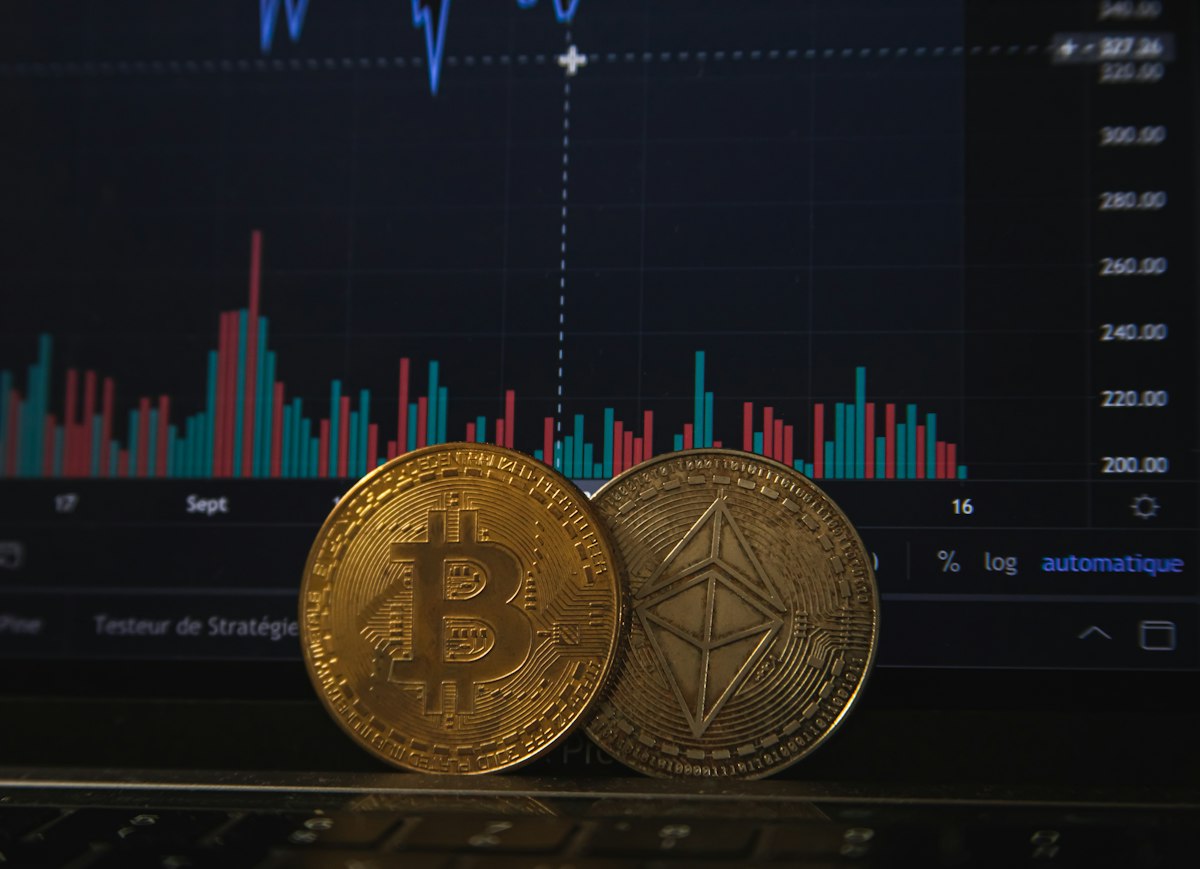
As the dust settles on a tumultuous 2025, the DeFi landscape has undergone a profound transformation, setting the stage for a breakout year in 2026. Regulatory clarity, coupled with a maturing ecosystem, has ushered decentralized finance into the mainstream. The sector's growth has been nothing short of meteoric, with the total value locked (TVL) in DeFi protocols surging to an all-time high of $250 billion, a staggering 300% increase from the same period in 2024.
At the heart of this surge lies the growing acceptance of decentralized lending and borrowing protocols, exemplified by leading players such as Aave (LEND) and Compound (COMP). These platforms have not only democratized access to capital but have also provided a much-needed lifeline to traditional financial institutions reeling from the impact of rising interest rates. According to a recent report by Deloitte, the number of institutional investors allocating a portion of their portfolios to DeFi assets has increased by 50% in the past quarter, with 70% of respondents citing regulatory clarity as a key factor driving their decision.
Another area witnessing significant traction is decentralized exchanges (DEXs), with Uniswap (UNI) and SushiSwap (SUSHI) leading the charge. These platforms have capitalized on the growing demand for on-chain trading, offering a more secure and transparent alternative to their centralized counterparts. With the average daily trading volume on DEXs exceeding $1 billion, they now account for over 20% of the total cryptocurrency trading volume.
The surge in institutional adoption has also led to a significant increase in the use of stablecoins, with tether (USDT) and USDC emerging as the dominant players. These digital assets have not only provided a much-needed hedge against volatility but have also facilitated the growth of DeFi by enabling users to collateralize their positions without incurring significant price risk. As a result, the stablecoin market has grown to $150 billion, with over 50% of DeFi users opting for these assets as their primary form of collateral.
While regulatory clarity has undoubtedly been a key driver of DeFi's growth, the sector still faces significant challenges. The lack of standardization in DeFi protocols has led to concerns over interoperability, with many platforms struggling to integrate with one another. Furthermore, the absence of robust risk management frameworks has resulted in several high-profile hacks and exploits, eroding user confidence in the sector.
Despite these challenges, DeFi remains an attractive proposition for investors, with many seeing it as a key component of their overall portfolio diversification strategy. According to a recent survey by Goldman Sachs, 80% of high-net-worth individuals plan to allocate a portion of their portfolios to DeFi assets in the next 12 months, with 40% citing the potential for long-term growth as the primary driver of their decision.
As DeFi continues to gain traction, several key players are poised to benefit from the sector's growth. Aave (LEND), with its robust lending and borrowing platform, is well-positioned to capture a significant share of the DeFi market. Compound (COMP), with its innovative approach to interest rate protocols, is also likely to experience significant growth as users increasingly opt for decentralized lending solutions.
In terms of investment strategy, experts recommend a multi-asset approach, allocating a portion of one's portfolio to a range of DeFi assets, including stablecoins, lending protocols, and DEXs. By doing so, investors can tap into the sector's growth potential while minimizing exposure to individual asset risks.
For those entering the DeFi space, it is essential to conduct thorough research and due diligence, ensuring a deep understanding of the asset's underlying mechanics and potential risks. By taking a cautious and informed approach, investors can navigate the complexities of DeFi and reap the rewards of this rapidly evolving sector.
As the dust settles on the DeFi landscape, one thing is clear: the sector's growth is only just beginning. With regulatory clarity, institutional adoption, and a maturing ecosystem driving the narrative, decentralized finance is poised to capture a significant share of the financial services market. For investors willing to take the leap, the rewards could be substantial.